

Upper Dolpo, a remote and culturally rich region in Nepal, is known for its breathtaking landscapes, ancient Tibetan traditions, and serene trekking experience. This trek is for those looking to explore untouched wilderness, experience the beauty of Phoksundo Lake, and immerse in Tibetan culture.
Trekking Highlights
The Upper Dolpo Trek offers some of Nepal’s most stunning landscapes, including alpine lakes, rugged mountain passes, and valleys that seem frozen in time. The trek is culturally significant, with opportunities to explore ancient monasteries and interact with locals who follow Tibetan Buddhist practices.
Trekking Routes
There are several trekking routes in Upper Dolpo, each offering a unique experience. Popular routes include:
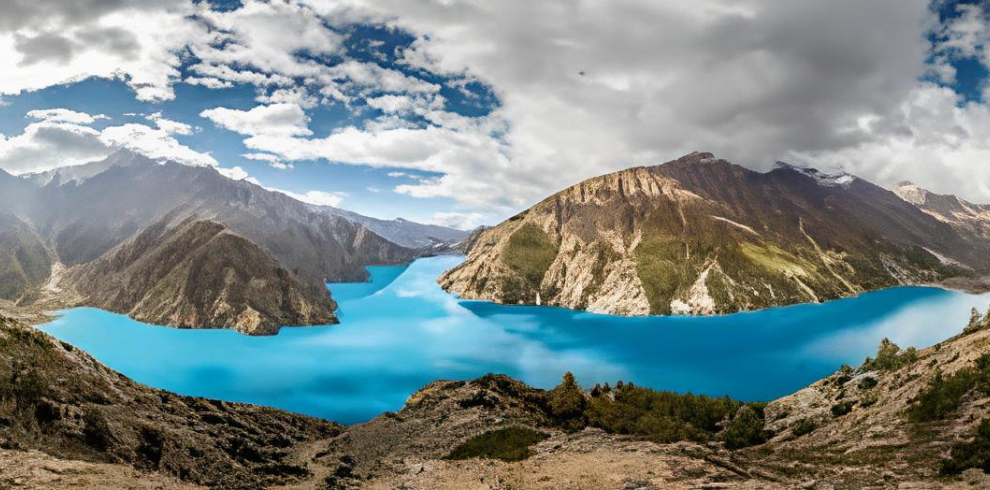
- Juphal to Phoksundo Lake: A scenic trail leading to the famous turquoise lake.
- Juphal to Shey Gompa: A culturally rich trek to a remote monastery.
- Upper Dolpo to Lower Dolpo Circuit: A more challenging and immersive journey into both regions.
Permits and Regulations
Trekking in Upper Dolpo requires specific permits, including the Restricted Area Permit and National Park Permit. These regulations help preserve the area’s pristine environment and ensure a safe trekking experience.
Accommodations
Accommodation options range from simple teahouses and guesthouses to camping in remote areas. Some parts of the trek also offer homestays, providing trekkers a chance to experience the hospitality of local people and their traditional way of life.
Packing List
Packing for the Upper Dolpo Trek requires careful preparation. Essential items include:
- Warm Clothing: Layers for fluctuating temperatures.
- Trekking Boots: For rocky and uneven terrain.
- Sleeping Bag: For cold nights at higher altitudes.
- Water Purification: Tablets or filters for safe drinking water.
Food and Water
While trekking, expect simple but hearty meals like dal bhat (lentils and rice), Tibetan bread, and momo (dumplings). As for water, it’s vital to carry a purification system to ensure safe drinking water throughout the trek.
Health and Safety
The trek involves high altitudes, and altitude sickness is a risk. Proper acclimatization and staying hydrated are key. Ensure you carry a first-aid kit and follow guidelines for staying safe, especially in remote areas with limited access to medical facilities.
Guide and Porter Services
Hiring a local guide and porter is highly recommended. Guides help with navigation and cultural insights, while porters carry heavy loads, allowing trekkers to focus on enjoying the journey. Rates vary based on the services, but they are essential for a smoother experience.
Cultural Insights
Upper Dolpo is home to Tibetan Buddhists, and trekkers can witness unique rituals, prayers, and architecture at ancient monasteries like Shey Gompa. The region is rich in traditions, with locals celebrating festivals like Lhosar (Tibetan New Year).
Travel Logistics
Reaching Upper Dolpo starts with a flight to Juphal from Nepalgunj. From there, trekkers embark on their journey through the region. The trek is remote, so preparing for limited access to modern amenities is important.
Travel Insurance
Travel insurance covering trekking at high altitudes and emergency evacuation is essential for any trek in Upper Dolpo. Ensure the insurance includes coverage for unexpected delays and medical emergencies.
Photography Tips
Upper Dolpo is a photographer’s paradise. Best spots for photos include Phoksundo Lake, Shey Gompa, and the traditional villages along the trek. When photographing locals, always ask for permission first, and be respectful of their customs.
FAQs
- Q: Is the Upper Dolpo Trek difficult?
- A: Yes, it’s a challenging trek due to its remote nature and high altitudes, but with proper preparation, it’s an achievable adventure.
- Q: What is the best time to trek Upper Dolpo?
- A: The best time is during the spring (March to May) and autumn (September to November) months when the weather is more stable and the landscapes are most beautiful.
Itinerary
- Arrive at Tribhuvan International Airport in Kathmandu.
- Explore Thamel for gear, food, and leisure.
- Overnight: Kathmandu.
- Morning flight to Nepalgunj, a southern city near the Indian border.
- Explore the local markets and relax.
- Overnight: Nepalgunj.
- Fly to Jhuphal, the gateway to Dolpo (2-hour flight).
- Explore the village and its surroundings.
- Overnight: Jhuphal.
- Begin the trek with a descent to the Bheri River and then to Dunai, the administrative center of Dolpo.
- Visit the local Tibetan Buddhist monasteries.
- Overnight: Dunai.
- Follow the Bheri River and pass through beautiful villages and lush forests.
- Arrive at Tarakot, a Tibetan-influenced village with a rich history.
- Overnight: Tarakot.
- Trek through the narrow gorge of the Bheri River, passing fields, small settlements, and monasteries.
- The path gradually ascends to Laini.
- Overnight: Laini.
- Trek through high-altitude landscapes, crossing a few passes and deep valleys.
- Arrive at Dho Tarap, a high Tibetan plateau surrounded by rugged peaks.
- Visit the ancient Dho Tarap Monastery.
- Overnight: Dho Tarap.
- Acclimatization day in Dho Tarap.
- Explore the village and monasteries.
- Enjoy the views of snow-capped peaks and the vast plateau.
- Overnight: Dho Tarap.
- Begin the ascent toward Numa La Pass.
- The trail passes through a high alpine terrain, with views of distant peaks and glaciers.
- Overnight: Numa La Base Camp.
- Cross the Numa La Pass (5,190m), a challenging pass with stunning views of snow-covered peaks and valleys.
- After crossing the pass, descend toward Dan Ghe, a small settlement.
- Overnight: Dan Ghe.
- Continue descending to Yak Kharka, an area with high-altitude meadows and yak herders.
- The trek provides fantastic views of the surrounding snow peaks.
- Overnight: Yak Kharka.
- Descend to Phoksundo Lake, a sacred lake in the Dolpo region.
- Pass through Ringmo Village, where you can experience traditional Tibetan culture.
- The lake is known for its vibrant turquoise color and breathtaking scenery.
- Overnight: Phoksundo Lake.
- Spend a day exploring Phoksundo Lake and the nearby Shey Gompa Monastery.
- Visit the monastery and enjoy the serenity of the lake.
- Optional: Take a short trek around the lake or hike to Chepka Village.
- Overnight: Phoksundo Lake.
- Trek back to Jhuphal, retracing the route through Ringmo Village and descending back into the lower regions of Dolpo.
- Overnight: Jhuphal.
- Fly from Jhuphal back to Nepalgunj.
- Relax and unwind after your trek.
- Overnight: Nepalgunj.
- Fly back to Kathmandu.
- Spend your free time exploring Kathmandu or shopping for souvenirs.
- Overnight: Kathmandu or departure, depending on your flight schedule.
